The Art of Convention Planning: Transforming Ideas into Unforgettable Experiences
In an age where experiences trump possessions, convention planning has become an art form unto itself. No longer just a gathering of like-minded individuals, conventions have morphed into vibrant hubs of networking, learning, and collaboration. As a convention planner, your job is to orchestrate an event that not only informs but also inspires. Let’s dive into the fascinating world of convention planning and explore how you can create unforgettable experiences for attendees.
First, let’s talk about the essentials. A successful convention begins with a solid foundation: a clear objective. Are you looking to educate? Motivate? Sell? Identifying your goal will dictate every other aspect of your planning process. Once you have that down, the next step is to understand your audience. Who will be attending? What are their interests? What do they hope to gain? Knowing your audience will guide your choice of speakers, workshops, and activities.
Budgeting is a pivotal part of convention planning. It can feel overwhelming, especially if you’re juggling numerous expenses like venue rental, catering, technology, and marketing. However, there are numerous budget-friendly options that can still yield high-quality results. Consider partnering with local businesses or utilizing university venues. Many institutions are eager to collaborate and may offer reduced rates for community events. Furthermore, don’t overlook the power of technology. Virtual conventions have become increasingly popular, allowing for reduced travel costs and expanding your reach. Incorporating hybrid elements can also draw a wider audience without breaking the bank.
Luxury conventions have their place, of course. High-end events can create an aura of exclusivity and prestige that attracts attendees eager for a premium experience. Think about lavish venues, gourmet catering, and high-profile speakers. But remember, luxury does not always equate to expense. Creating an opulent atmosphere can be achieved through clever design choices and creative branding. A well-curated environment can evoke feelings of luxury without the need for exorbitant spending.
Eco-friendliness is another important consideration in contemporary convention planning. As environmental concerns grow, many attendees appreciate and seek out sustainable options. From digital tickets to biodegradable materials, making eco-conscious decisions can set your convention apart and align with your audience’s values. Engage with vendors who prioritize sustainability and promote recycling initiatives during your event. Not only does this resonate with attendees, but it also contributes positively to your brand image.
Now, let’s consider the power of DIY approaches. Not every aspect of convention planning needs to be handled by professionals. With the right mindset and creativity, you can handle many tasks yourself or with a team of volunteers. From handmade decorations to personalized swag bags, DIY elements can infuse your convention with a unique touch. Just be sure to balance the DIY approach with the necessary professional services for technical aspects, such as sound and lighting.
Unconventional uses of convention space can also make your event stand out. Think beyond traditional formats. Consider interactive workshops, live demonstrations, or even unconventional activities like scavenger hunts that encourage networking. These creative elements can foster a sense of community and collaboration among attendees, making your convention memorable.
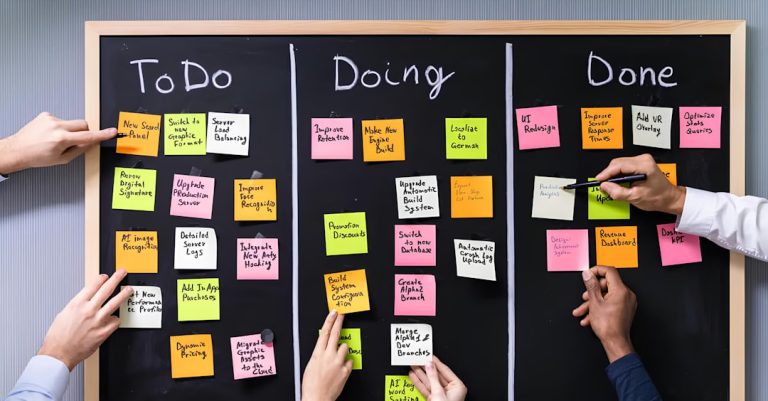
Finally, let’s explore productivity hacks that can streamline the planning process. Utilize project management tools to keep your tasks organized and on track. Set up a timeline with clear deadlines to ensure everything runs smoothly. Also, don’t hesitate to delegate tasks to team members or volunteers. Empowering others can lighten your load and bring fresh ideas to the table.
As we look to the future, the convention planning industry continues to evolve. Emerging trends, such as increased use of technology, interactive experiences, and a focus on inclusivity and accessibility, are shaping how conventions are designed and executed. Keeping abreast of these trends can help you create events that not only meet but exceed attendee expectations.
In conclusion, convention planning is not merely a logistical challenge but an opportunity to create meaningful experiences. By understanding your audience, managing your budget wisely, and embracing innovative ideas, you can turn a simple gathering into a transformative experience. So, roll up your sleeves and dive into the exciting world of convention planning, where the possibilities are as vast as your imagination!